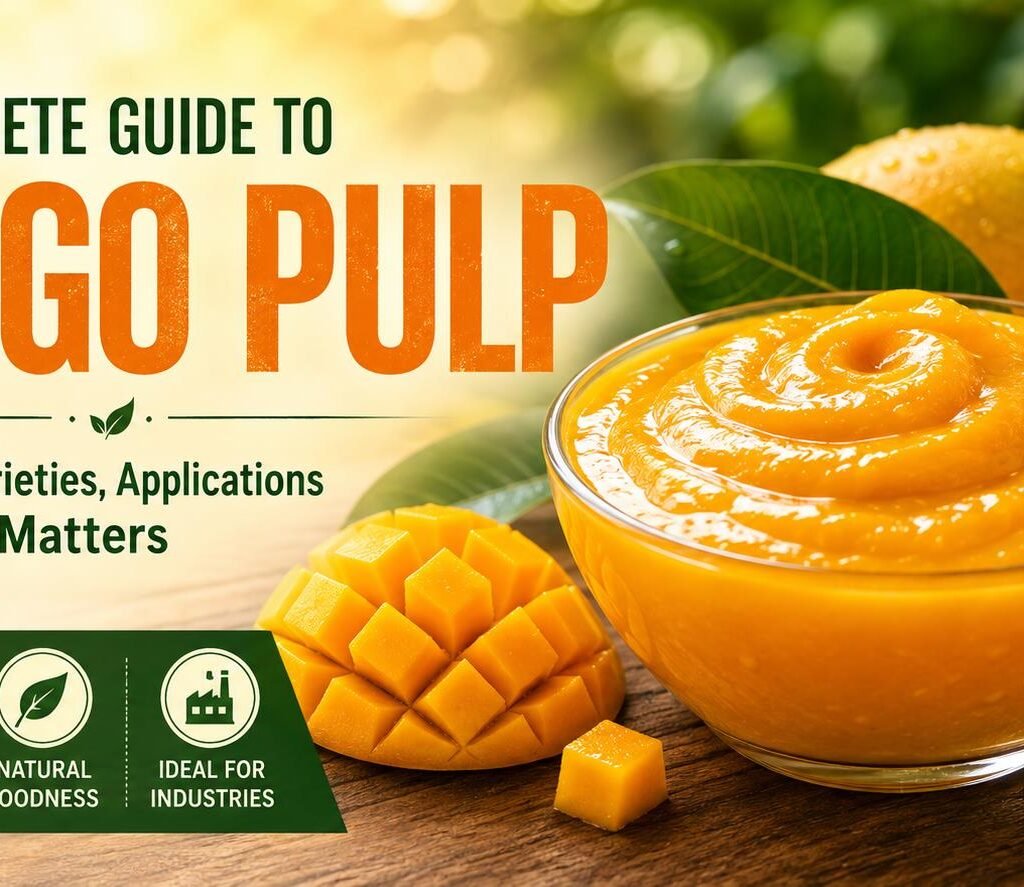

Mangoes are celebrated worldwide as the “King of Fruits“ because of their rich aroma, vibrant colour, naturally sweet flavour, and exceptional nutritional profile. While fresh mangoes are available only during the harvest season, consumers and food manufacturers require access to their authentic taste throughout the year. This demand has made mango pulp one of the most valuable fruit ingredients in the global food and beverage industry.
From fruit juices and smoothies to ice creams, yogurts, bakery products, confectionery, sauces, and ready-to-eat foods, mango pulp offers a convenient way to enjoy the taste of ripe mangoes without the challenges of handling fresh seasonal fruit. It provides consistent flavour, colour, and texture, making it a preferred choice for both commercial food production and retail applications.
At Shimla Hills Offerings Pvt. Ltd., we understand that producing premium mango pulp begins with carefully selected fruit, advanced processing technology, and strict quality control. As a trusted manufacturer and exporter of mango pulp, mango puree, and fruit concentrates, we are committed to delivering products that meet international food safety standards and the evolving needs of food manufacturers across global markets.
What is Mango Pulp?
Mango pulp is the smooth, edible portion of ripe mangoes that is processed into a uniform consistency while retaining its natural sweetness, aroma, colour, and nutritional characteristics. The production process typically involves selecting fully ripened mangoes, washing them thoroughly, removing the peel and seed, extracting the pulp, refining it, and processing it under hygienic conditions to preserve quality and food safety.
Unlike fresh mangoes, which are highly seasonal and perishable, mango pulp is processed and packed to provide a longer shelf life while maintaining the fruit’s authentic taste. Depending on customer requirements, it is supplied in aseptic bags, cans, drums, or other industrial packaging formats suitable for both retail and large-scale food manufacturing.
Key Characteristics of Premium Mango Pulp
- Rich natural mango flavour
- Bright, attractive colour
- Smooth and uniform texture
- Consistent quality from batch to batch
- Suitable for large-scale food production
- Available throughout the year
- Hygienically processed for food safety
These qualities make mango pulp an ideal ingredient for manufacturers seeking consistency and efficiency in their production processes.
Why Mango Pulp is Popular Worldwide
The increasing demand for processed fruit ingredients has made mango pulp an essential component of the food and beverage industry. Its popularity is driven by several advantages:
- Year-Round Availability: Fresh mangoes are seasonal, but processed mango pulp ensures businesses can produce mango-based products throughout the year.
- Consistent Product Quality: Food manufacturers rely on ingredients that deliver consistent flavour, colour, and texture in every production batch.
- Reduced Processing Time: Using ready-to-use mango pulp eliminates the need for washing, peeling, and extracting fresh fruit, improving production efficiency.
- Longer Shelf Life: Properly processed and packaged mango pulp offers extended storage stability compared to fresh mangoes, reducing waste and supporting global distribution.
- Wide Industrial Applications: Its versatility allows it to be used across multiple industries, including beverages, dairy, bakery, confectionery, frozen desserts, and food service.
How Mango Pulp is Manufactured?
Producing premium-quality mango pulp requires careful handling at every stage to preserve the fruit’s natural flavour, colour, and nutritional value. While exact processing methods may vary by manufacturer, the process generally follows these steps:<br/>
Step 1: Selection of Ripe Mangoes
High-quality mango pulp begins with carefully selected, fully ripened mangoes sourced from trusted orchards. Fruit is inspected to ensure it meets the required quality standards before processing.
Step 2: Washing and Cleaning
The mangoes are thoroughly washed to remove dust, dirt, and surface impurities, supporting hygienic processing and food safety.
Step 3: Peeling and Destoning
The outer peel and seed are removed to separate the edible portion of the fruit.
Step 4: Pulp Extraction
The mango flesh is processed into a smooth, uniform pulp while preserving its natural flavour, aroma, and colour.
Step 5: Refining
The pulp is refined to achieve a consistent texture suitable for different industrial applications.
Step 6: Heat Processing
The pulp is processed under controlled conditions to enhance food safety and product stability.
Step 7: Quality Inspection
Each production batch is evaluated to ensure it meets the manufacturer’s quality standards before packaging.
Step 8: Hygienic Packaging
Depending on customer requirements, mango pulp is packed in aseptic bags, cans, drums, or other industrial packaging formats to help maintain quality during storage and transportation.
Different Types of Mango Pulp
Different mango varieties offer unique flavors and characteristics, allowing manufacturers to choose the most suitable option for their products.
| Variety | Taste Profile | Colour | Common Applications |
|---|---|---|---|
| Alphonso Mango Pulp | Rich, sweet, aromatic | Deep orange | Premium beverages, desserts, dairy products |
| Totapuri Mango Pulp | Sweet with mild tanginess | Yellow | Juices, nectars, sauces, fruit preparations |
| Kesar Mango Pulp | Naturally sweet and aromatic | Bright orange | Bakery products, confectionery, frozen desserts, traditional sweets |
Alphonso Mango Pulp is renowned for its rich aroma, smooth texture, and naturally sweet taste, making it a preferred choice for premium beverages, desserts, and dairy products.
Totapuri Mango Pulp is known for its balanced sweet and tangy profile, making it ideal for juices, nectars, sauces, and fruit preparations.
Kesar Mango Pulp, with its vibrant orange color and distinctive sweetness, is widely used in confectionery, bakery products, traditional sweets, and frozen desserts. Each variety provides its own unique sensory experience while maintaining the authentic taste of fresh mangoes.
Nutritional Value of Mango Pulp
Mango pulp is valued not only for its delicious tropical flavour but also for its nutritional profile. It naturally contains essential vitamins, minerals, antioxidants, and dietary fibre that contribute to a balanced diet. These nutrients make mango pulp a popular ingredient in beverages, dairy products, desserts, and functional foods. The original article highlights vitamins A, C, and E, dietary fibre, antioxidants, natural sugars, and its high moisture content as key nutritional attributes.
Note: Nutritional values may vary depending on the mango variety, growing conditions, and processing method. If publishing nutritional data, use laboratory-tested values for your specific product.
Approximate Nutritional Benefits
Nutrient | Role in the Body | Why It Matters |
Vitamin A | Supports normal vision and skin health | Helps maintain healthy eyes and skin |
Vitamin C | Supports immune function | Contributes to normal immune system function |
Vitamin E | Acts as an antioxidant | Helps protect cells from oxidative stress |
Dietary Fibre | Supports digestion | Contributes to digestive wellness |
Natural Fruit Sugars | Provides energy | A natural source of quick energy |
Antioxidants | Cell protection | Help protect the body from oxidative stress |
Water Content | Hydration | Contributes to daily fluid intake |
Top Health Benefits of Mango Pulp
- Rich Source of Essential Vitamins
Mango pulp naturally contains vitamins A, C, and E, which play important roles in maintaining healthy skin, supporting normal vision, and contributing to immune function.
- Supports Healthy Digestion
Dietary fibre found in mango pulp contributes to healthy digestion and overall digestive wellness when consumed as part of a balanced diet.
- Naturally Contains Antioxidants
Antioxidants help protect the body’s cells from oxidative stress. Mango pulp naturally contains antioxidant compounds that contribute to its nutritional value.
- Provides Natural Energy
The natural sugars present in mango pulp make it a convenient source of energy, which is one reason it is widely used in beverages, smoothies, and snacks.
- Delicious Taste Without Seasonal Limitations
Unlike fresh mangoes, processed mango pulp allows consumers and manufacturers to enjoy the authentic flavour of ripe mangoes throughout the year while maintaining consistency in recipes.
- Ideal for Large-Scale Food Production
Food manufacturers value mango pulp because it provides:
- Consistent flavour
- Uniform colour
- Smooth texture
- Reliable supply
- Reduced preparation time
These qualities make it particularly useful in commercial production.
Why Food Manufacturers Prefer Mango Pulp?
For commercial food production, consistency is often as important as flavour. Mango pulp helps manufacturers:
- Reduce raw material wastage
- Simplify production processes
- Improve batch-to-batch consistency
- Shorten preparation time
- Ensure year-round availability
- Produce products with predictable quality
This is why mango pulp has become an essential ingredient across many food processing sectors.
Industrial Applications of Mango Pulp
One of the biggest advantages of mango pulp is its versatility. It is used across numerous food industries because of its flavour, colour, texture, and ease of use.
Beverage Industry
Mango pulp is widely used to manufacture:
- Fruit juices
- Smoothies
- Fruit drinks
- Mocktails
- Nectar beverages
- Functional beverages
Its naturally sweet flavour provides an authentic tropical taste without relying on fresh fruit throughout the year.
Dairy Industry
Mango pulp enhances a wide range of dairy products, including:
- Yogurt
- Flavoured milk
- Milkshakes
- Ice cream
- Frozen yogurt
- Dairy desserts
Its creamy texture blends well with dairy formulations while delivering consistent fruit flavour.
Bakery Industry
Bakeries incorporate mango pulp into:
- Cakes
- Muffins
- Pastries
- Cookies
- Fillings
- Fruit breads
It adds natural sweetness, moisture, and colour to baked products.
Confectionery Industry
Manufacturers use mango pulp in:
- Candies
- Fruit bars
- Gummies
- Chocolates
- Traditional sweets
Its vibrant flavour profile makes it a popular ingredient in fruit-based confectionery.
Food Service (HoReCa)
Hotels, restaurants, cafés, and catering businesses rely on mango pulp for:
- Smoothies
- Desserts
- Sauces
- Fruit toppings
- Mocktails
- Signature beverages
Using mango pulp eliminates the need to handle fresh seasonal mangoes, improving efficiency.
Mango Pulp vs Mango Puree
Many people use these terms interchangeably. Depending on the manufacturer’s processing methods and product specifications, there may be differences in texture or intended applications. If your company defines these products differently, use those specifications consistently.
| Feature | Mango Pulp | Mango Puree |
| Texture | Smooth, may retain natural fruit character | Usually more refined and uniform |
| Common Applications | Juices, dairy, bakery, desserts | Baby food, sauces, beverages, fruit preparations |
| Industrial Use | Extensive | Extensive |
| Availability | Year-round | Year-round |
Packaging Options for Mango Pulp
Selecting the right packaging format is essential for maintaining product quality during storage, transportation, and export. Your original article mentions aseptic bags, cans, drums, and other industrial packaging formats.
Aseptic Bags
Ideal for:
- Large food manufacturers
- Beverage companies
- Export markets
Benefits:
- Extended shelf life
- Hygienic filling
- Reduced contamination risk
Metal Cans
Suitable for:
- Retail
- Food service
- Small manufacturers
Benefits:
- Convenient storage
- Easy transportation
- Good product protection
Industrial Drums
Preferred by:
- Bulk processors
- International buyers
- Industrial food manufacturers
Benefits:
- Efficient bulk handling
- Suitable for high-volume production
Custom Packaging Solutions
Depending on customer requirements, manufacturers may also offer customized packaging formats to support different production and logistics needs
Storage & Shelf Life of Mango Pulp
Proper storage plays a critical role in preserving the quality, flavour, colour, and nutritional characteristics of mango pulp. While the exact shelf life depends on the processing method, packaging type, and storage conditions, following recommended practices helps maintain product integrity.
Note: Always follow the storage instructions provided on your product label or technical specification sheet, as shelf life varies by packaging format and processing method.
Recommended Storage Practices
Before Opening
- Store in a cool, dry place.
- Protect from direct sunlight.
- Keep away from excessive heat and moisture.
- Avoid physical damage to the packaging.
After Opening
- Refrigerate immediately.
- Use clean utensils to avoid contamination.
- Keep the container tightly sealed.
Consume within the manufacturer’s recommended timeframe.
Frozen Storage
If permitted for your specific product, freezing may help preserve unused portions. However, always follow the manufacturer’s recommendations regarding freezing and thawing to maintain product quality.
Why Proper Storage Matters
Proper storage helps:
- Preserve natural colour
- Maintain authentic mango flavour
- Reduce contamination risk
- Support product consistency
- Minimize food waste
- Extend usable shelf life
How to Choose Premium Quality Mango Pulp?
Choosing the right supplier is just as important as selecting the right mango variety. High-quality mango pulp contributes to better flavour, consistent product performance, and improved customer satisfaction.
- Look for Naturally Rich Colour
Premium mango pulp should have a vibrant, natural colour that reflects the mango variety being used. Avoid products that appear unnaturally bright or inconsistent.
- Evaluate Aroma and Flavour
Good-quality mango pulp should retain the characteristic aroma and taste of ripe mangoes without undesirable flavours.
- Check Texture
High-quality pulp should have:
- Smooth consistency
- Uniform texture
- Minimal separation
- Good processing performance
- Review Food Safety Standards
When selecting a supplier, ask about:
- Quality control procedures
- Hygienic manufacturing practices
- Batch traceability
- Product testing
If applicable, verify certifications such as ISO, HACCP, FSSC 22000, or other recognized food safety standards. Mention only the certifications your company actually holds.
- Assess Packaging Quality
Reliable packaging helps maintain freshness during storage and transportation. Look for packaging formats that suit your production needs and logistics requirements.
- Choose a Reliable Supply Partner
A dependable supplier should offer:
- Consistent product quality
- Reliable delivery schedules
- Technical support
- Flexible packaging options
- Long-term supply capability
Why High-Quality Mango Pulp Matters
The quality of mango pulp directly influences the final product. Your original article emphasizes that premium-quality pulp supports consistent flavour, colour retention, shelf life, and processing performance.
- Better Taste: Consumers expect authentic mango flavour in every serving. High-quality pulp helps manufacturers achieve that consistency.
- Uniform Colour: Products such as juices, desserts, yogurts, and sauces benefit from a consistent, appealing appearance.
- Improved Production Efficiency: Uniform ingredients simplify manufacturing by reducing variation between production batches.
- Stronger Consumer Trust: Consistent quality contributes to customer satisfaction and reinforces confidence in your brand over time.
- Better Business Performance: Investing in premium ingredients can reduce production issues, minimize waste, and support long-term product consistency.
Why Businesses Around the World Choose Shimla Hills
Selecting the right manufacturing partner is an important decision for food businesses. Shimla Hills Offerings Pvt. Ltd. focuses on delivering fruit processing solutions designed to meet international customer requirements.
According to your original content, the company:
- Sources carefully selected mangoes from trusted orchards.
- Uses modern processing technology.
- Follows stringent quality control measures.
- Manufactures mango pulp, mango puree, and mango concentrate.
- Provides customized packaging solutions.
- Serves food manufacturers, beverage companies, retailers, and HoReCa businesses across global markets.
Our Commitment
We strive to deliver products that offer:
- Consistent quality
- Reliable supply
- Excellent flavour
- Attractive natural colour
- Safe processing practices
- Flexible packaging options
Industries We Serve
Our fruit ingredients support businesses across multiple sectors, including:
- Beverage manufacturers
- Dairy producers
- Bakery brands
- Confectionery manufacturers
- Ice cream producers
- HoReCa businesses
- Ready-to-eat food manufacturers
- Food service providers
- Private-label brands
- International importers and distributors
Why Work with a Trusted Manufacturer?
Partnering with an experienced manufacturer offers several advantages:
- Reliable sourcing
- Consistent production
- Better inventory planning
- Technical support
- Export-ready packaging
- Stable long-term supply
For manufacturers producing mango-based products at scale, dependable ingredient quality is a key factor in maintaining brand reputation.
Conclusion
Mango pulp has emerged as one of the most widely used fruit ingredients in the global food and beverage industry. Its authentic flavor, natural sweetness, appealing color, and year-round availability make it an excellent choice for beverages, dairy products, bakery items, confectionery, sauces, desserts, and ready-to-eat foods. As highlighted in this guide, the quality of mango pulp impacts not only the taste and appearance of the final product but also manufacturing efficiency and customer satisfaction.
Whether you are developing a new product line or expanding an existing one, selecting high-quality mango pulp from a reliable manufacturer can help you achieve greater consistency and meet the expectations of today’s competitive food market.
At Shimla Hills Offerings Pvt. Ltd., we are committed to providing premium fruit ingredients through meticulous sourcing, hygienic processing, and reliable customer support. We collaborate with food manufacturers and global partners to deliver tailored mango pulp solutions for diverse industrial applications.
Frequently Asked Questions
Mango pulp is the smooth edible portion of ripe mangoes that is processed into a uniform consistency while preserving its natural flavour, colour, aroma, and nutritional value. It is widely used in beverages, dairy products, bakery items, desserts, sauces, and other food applications.
Mango pulp is generally produced by selecting ripe mangoes, washing them, removing the peel and seed, extracting the pulp, refining it, processing it under hygienic conditions, and packing it in suitable containers such as aseptic bags, cans, or drums. Your article describes the selection, hygienic processing, and packaging stages.
Mango pulp naturally contains vitamins A, C, and E, dietary fibre, antioxidants, and natural sugars. When consumed as part of a balanced diet, these nutrients contribute to overall nutrition.
The uploaded article identifies both as products offered by the company but does not define the technical difference between them. If you want this FAQ, it should be based on your company's official product specifications rather than assumptions.
Different varieties suit different applications. According to your article:
- Alphonso – rich aroma and sweetness for premium products.
- Totapuri – balanced sweet-tangy flavour for juices and sauces.
- Kesar – vibrant colour and sweetness for bakery, confectionery, and desserts.
Mango pulp is commonly used in:
- Juices
- Smoothies
- Ice cream
- Yogurt
- Milkshakes
- Bakery products
- Desserts
- Sauces
- Fruit preparations
- Ready-to-eat foods
Manufacturers use mango pulp because it provides consistent flavour, colour, texture, and year-round availability, making production more efficient.
The uploaded article does not state whether preservatives are used. Avoid making a claim unless it matches your actual product specifications.
The article states that mango pulp may be supplied in aseptic bags, cans, drums, and other industrial packaging formats based on customer requirements.
High-quality mango pulp contributes to consistent flavour, colour retention, shelf life, processing performance, and customer satisfaction.